



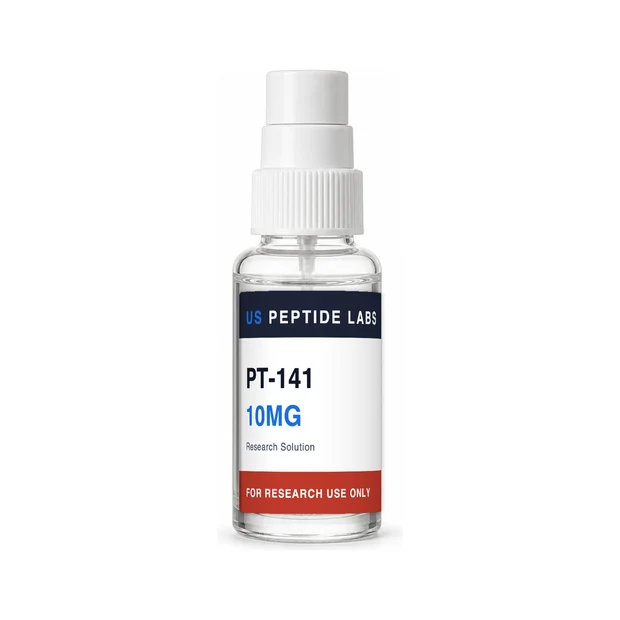
Peptide oral sprays are an emerging area of formulation research involving the study of peptide compounds in liquid spray formats. Researchers are interested in understanding how formulation characteristics, molecular stability, ingredient compatibility, and analytical testing influence the properties of these preparations. As peptide research continues to expand, understanding the science behind different delivery formats has become increasingly important.
Laboratories exploring this category can Buy peptide oral sprays from specialized research suppliers offering different compounds and documented formulations. However, selecting research materials requires more than reviewing product descriptions. It involves understanding peptide chemistry, formulation considerations, laboratory quality standards, and the limitations of available scientific evidence.
This article explores how peptide oral sprays are studied, which factors influence their formulation, and what researchers should examine when evaluating their quality.
What Are Peptide Oral Sprays?
Peptide oral sprays are liquid preparations containing peptide-based compounds in a spray format intended for oral research investigations. Unlike conventional lyophilized peptide materials, which are supplied as freeze-dried powders, spray formulations are provided as prepared liquids.
Their formulation involves several scientific considerations, including peptide solubility, chemical stability, concentration, and compatibility with other ingredients. These characteristics can influence the analytical properties and consistency of the finished preparation.
Understanding the Science Behind Oral Spray Formulations
Peptides consist of amino acids connected through peptide bonds. Their molecular structures determine their chemical characteristics, including solubility, charge, and susceptibility to degradation.
In liquid formulations, environmental conditions can influence peptide stability. Temperature, pH, light exposure, and interactions with formulation ingredients may contribute to structural changes or degradation.
For this reason, researchers evaluate formulation characteristics under controlled laboratory conditions rather than assuming that every peptide behaves identically in a liquid preparation.
How Do Peptide Oral Spray Formulations Differ From Other Research Formats?
Peptide compounds can be supplied in several laboratory formats, including lyophilized powders, liquid preparations, and spray-based formulations. Each format has different characteristics that influence storage, handling, and analytical evaluation.
Understanding these differences helps researchers select materials according to their laboratory requirements and experimental objectives.
Lyophilized Peptides and Liquid Preparations
Lyophilization is a freeze-drying process used to remove water from a material under controlled conditions. It is commonly used in pharmaceutical and biochemical research because it can improve the storage stability of certain sensitive compounds.
Liquid preparations have different stability considerations because the peptide remains in a solution rather than a dry state. Their properties may be influenced by the surrounding formulation environment.
Spray preparations are supplied in a dispensing container, making packaging compatibility and consistency additional areas of laboratory evaluation.
Oral Sprays and Other Delivery Research
Oral spray research should be distinguished from nasal spray research because the intended application environments and formulation considerations are different.
Oral formulations may involve contact with the oral cavity, while nasal formulations are designed around nasal administration research. However, the precise behavior of a peptide depends on its formulation and supporting scientific evidence.
Researchers should not assume that an oral spray automatically provides improved absorption or bioavailability compared with other formats.
What Scientific Factors Influence Peptide Oral Spray Stability?
Stability is one of the most important considerations when evaluating peptide-containing liquid preparations. Peptides can be sensitive to different environmental conditions, and changes in their molecular structure may influence analytical results.
Research therefore examines the relationship between formulation composition, storage conditions, and the chemical integrity of the target compound.
pH and Chemical Environment
The pH of a formulation can influence peptide solubility, molecular charge, and chemical stability. Different peptide sequences may respond differently to changes in acidity and alkalinity.
Researchers examine these characteristics to understand whether a particular formulation maintains its expected chemical properties during the documented storage period.
The published scientific review on oral peptide delivery explains how environmental conditions and biological barriers create significant challenges for peptide-based formulations.
Temperature and Light Exposure
Temperature is another important factor in peptide stability research. Changes in temperature may influence molecular movement, aggregation, and degradation processes.
Light exposure can also affect certain formulation components, depending on their chemical characteristics. Therefore, laboratory documentation should provide relevant storage information for the specific preparation.
Researchers should follow the storage specifications supplied for the material rather than applying identical conditions to every peptide.
Formulation Compatibility
Liquid preparations may contain additional ingredients that influence the overall chemical environment. Compatibility between the peptide and other formulation components is therefore an important research consideration.
Laboratories may examine whether these ingredients contribute to precipitation, aggregation, changes in appearance, or other measurable alterations.
These investigations help establish a clearer understanding of the preparation’s analytical characteristics.
Which Compounds Are Available in Peptide Oral Spray Research?
Different peptide and biochemical compounds are investigated for their molecular characteristics and relationships with biological pathways. US Peptide Labs features several compounds in its Oral Sprays collection.
The research relevance of each compound depends on its individual structure and published scientific literature. Their availability in a spray format should not be interpreted as evidence of clinical effectiveness or suitability for human administration.
GLP-3RT and Metabolic Pathway Research
GLP-3RT is listed as a triple-agonist research compound associated with GLP-1, GIP, and glucagon receptor pathways.
Scientific interest in these signaling systems involves their roles in metabolic regulation and cellular communication. Research into multi-receptor activity helps scientists understand how different signaling pathways interact.
PT-141 and Melanocortin Receptor Research
PT-141, also known as bremelanotide, is a synthetic peptide associated with melanocortin receptor activity.
Research involving this compound examines its relationship with melanocortin signaling and receptor interactions. Bremelanotide also has a specific FDA-approved injectable formulation and indication, which should be distinguished from research-only oral spray preparations.
Oxytocin and NAD+ Research
Oxytocin is a peptide hormone studied for its involvement in biological signaling and receptor-mediated activity.
NAD+, meanwhile, is a coenzyme involved in cellular metabolism and oxidation-reduction reactions. Although it is not a peptide, it is relevant to biochemical research and appears in the oral spray collection.
These compounds have different molecular characteristics, so their formulation and analytical requirements should be evaluated individually.
Researchers can explore the available Research oral sprays to review the compounds and their listed product information.
How Can Researchers Evaluate the Quality of Peptide Oral Sprays?
Quality evaluation requires documented analytical information rather than relying exclusively on product descriptions. Researchers should examine whether the available documentation identifies the material and provides relevant testing information for its specific production lot.
Independent laboratory reports can support transparency and help laboratories assess the consistency of research materials.
Reviewing the Certificate of Analysis
A Certificate of Analysis (COA) provides analytical information about a particular batch or lot. Important details may include:
- Compound identity: Information supporting the identity of the analyzed material.
- Purity testing: Analytical results indicating the measured purity.
- HPLC analysis: A method commonly used to evaluate sample composition and purity.
- Mass spectrometry: An analytical technique used to examine molecular mass.
- Lot identification: Information connecting the tested material with its corresponding batch.
Researchers should verify that the certificate matches the product lot being evaluated. A certificate should not be interpreted as proof of clinical safety, therapeutic effectiveness, or suitability for human consumption.
Why Supplier Transparency Matters
Supplier transparency makes it easier for laboratories to review product specifications and available testing information.
US Peptide Labs highlights independent third-party laboratory testing, lot-specific documentation, and certificates accessible through product pages and product-label QR codes.
These features provide researchers with a practical way to examine available analytical records before evaluating materials for lawful laboratory investigations.
What Are the Limitations of Current Oral Peptide Delivery Research?
Despite advances in formulation science, oral peptide delivery remains a challenging research area. Peptides may encounter enzymatic degradation, changing pH conditions, and limited permeability across biological membranes.
A scientific review published in Pharmaceutics discusses these barriers and examines approaches being investigated to improve peptide stability and delivery.
Importantly, research findings involving one compound or formulation cannot automatically be applied to another. Evidence from laboratory studies also does not independently establish human safety or clinical effectiveness.
Conclusion
Peptide oral sprays represent an interesting area of formulation and biochemical research. Their evaluation involves understanding peptide structure, liquid formulation stability, environmental influences, ingredient compatibility, and analytical quality standards.
Compounds such as GLP-3RT, PT-141, Oxytocin, Tesamorelin, and NAD+ have different molecular properties and research backgrounds. Consequently, each preparation requires appropriate documentation and individual scientific evaluation.
For laboratories, reviewing lot-specific COAs, supplier transparency, and available research literature is essential when assessing research materials. US Peptide Labs provides an oral spray collection with product information and laboratory documentation to support informed research evaluation. For additional product or documentation information, contact us.
Frequently Asked Questions
1. What are peptide oral sprays?
Peptide oral sprays are liquid research preparations containing peptide-based compounds in a spray format. Their formulation characteristics, molecular stability, and analytical properties are important subjects of laboratory evaluation.
2. Are oral peptide sprays different from nasal peptide sprays?
Yes. Oral and nasal sprays are designed around different application environments. Their formulation requirements and research considerations may differ, and findings from one format should not automatically be applied to another.
3. What affects the stability of peptide oral sprays?
Several factors may influence stability, including temperature, pH, light exposure, formulation ingredients, and molecular characteristics. Specific storage requirements depend on the individual preparation.
4. How can researchers verify the quality of oral spray peptides?
Researchers can review the Certificate of Analysis, lot identification, HPLC results, mass spectrometry information, and available independent laboratory reports to evaluate the documented characteristics of a preparation.
5. Are peptide oral sprays approved for human consumption?
Research-use-only oral sprays are not approved for human consumption simply because they are supplied in a liquid spray format. US Peptide Labs products are intended strictly for lawful laboratory and analytical research, not human consumption or medical applications.
