



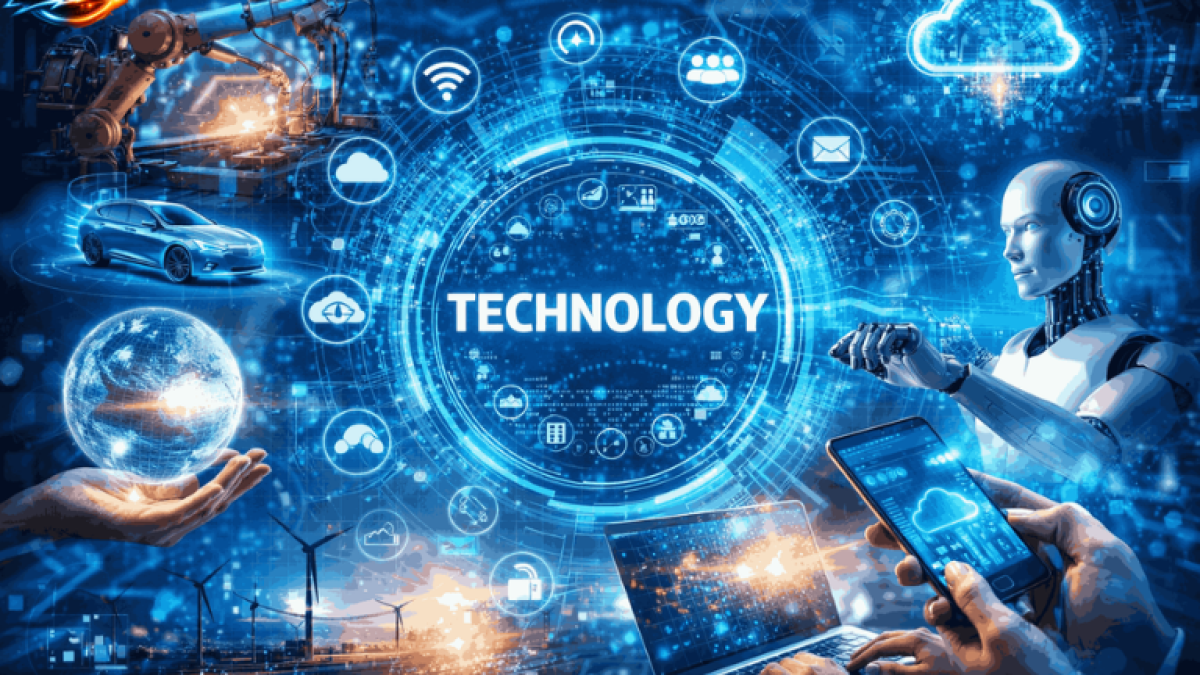
The technology world is evolving faster than ever, shaping how we work, communicate, and live our daily lives. From artificial intelligence breakthroughs to next-generation devices and smart automation systems, today’s tech innovations are not just improving convenience—they are redefining the future of industries across the globe. Understanding these advancements is important because they influence everything from business growth to personal lifestyles and digital experiences.
Artificial Intelligence Transforming Modern Industries
AI-Powered Automation in Daily Workflows
Artificial intelligence is now deeply integrated into business operations, helping companies automate repetitive tasks and improve productivity. From customer support chatbots to intelligent scheduling systems, AI is reducing manual effort and increasing efficiency. Businesses are using these tools to save time, reduce costs, and deliver faster services. This shift is making AI a core part of modern digital transformation strategies.
Machine Learning for Smarter Decision Making
Machine learning allows systems to learn from data and improve over time without human intervention. Organizations use it to analyze customer behavior, predict market trends, and make data-driven decisions. This technology is especially powerful in industries like finance, healthcare, and e-commerce, where accurate predictions can significantly improve outcomes and reduce risks.
Generative AI and Content Creation Revolution
Generative AI is changing how content is created, from writing articles to generating images, videos, and code. It helps businesses produce high-quality content faster while maintaining creativity and consistency. This innovation is also empowering individuals and small businesses to compete with larger companies by reducing production costs and improving creative output.
Next-Generation Computing and Connectivity
Quantum Computing Advancements
Quantum computing is one of the most powerful innovations driving the future of technology. Unlike traditional computers, quantum systems process complex calculations at extremely high speeds. This capability has the potential to revolutionize fields such as cryptography, drug discovery, and scientific research. Although still developing, it is expected to solve problems that are currently impossible for classical computers.
5G and Emerging 6G Networks
The rollout of 5G technology has significantly improved internet speed, connectivity, and data transfer efficiency. It supports real-time communication for smart devices, autonomous vehicles, and remote operations. Meanwhile, research on 6G networks is already underway, promising even faster speeds, lower latency, and more advanced global connectivity in the near future.
Edge Computing for Faster Data Processing
Edge computing brings data processing closer to the source rather than relying on centralized servers. This reduces latency and improves performance for applications like smart cities, IoT devices, and real-time analytics. It is becoming essential for industries that require instant decision-making and high-speed data handling.
Smart Technologies and Digital Transformation
Internet of Things (IoT) Expansion
The Internet of Things continues to expand as more devices become interconnected and smart-enabled. From home automation systems to industrial sensors, IoT is creating a seamless digital ecosystem. This connectivity allows users to monitor and control devices remotely, improving convenience, safety, and energy efficiency in everyday life.
Cloud Computing and Scalable Infrastructure
Cloud computing remains a backbone of modern digital systems, offering scalable storage, computing power, and software services. Businesses are moving their operations to the cloud to improve flexibility and reduce infrastructure costs. It also enables remote work, real-time collaboration, and secure data management across global teams.
Cybersecurity Innovations for Digital Safety
As technology advances, cybersecurity has become more important than ever. New security systems use AI-based threat detection, encryption technologies, and real-time monitoring to protect sensitive data. These innovations help prevent cyberattacks and ensure the safety of digital environments for businesses and individuals.
Future Technologies Reshaping the Digital World
Autonomous Systems and Self-Driving Technology
Autonomous systems, including self-driving vehicles and robotic automation, are transforming transportation and logistics. These systems rely on sensors, AI, and real-time data to operate without human intervention. They promise increased safety, reduced traffic accidents, and improved efficiency in delivery and transportation industries.
Augmented Reality and Virtual Reality Growth
Augmented reality (AR) and virtual reality (VR) are creating immersive digital experiences across gaming, education, and training. These technologies allow users to interact with digital environments in realistic ways. Businesses are also using AR and VR for product visualization, remote training, and virtual collaboration.
Sustainable Tech and Green Innovation
Sustainability is becoming a key focus in modern technology development. Green innovations such as energy-efficient devices, renewable energy systems, and eco-friendly data centers are helping reduce environmental impact. Companies are investing in sustainable tech to balance growth with environmental responsibility.
FAQs
1. What is the biggest tech trend today?
Artificial intelligence and automation are currently the biggest technology trends shaping industries worldwide.
2. How is AI changing the future of work?
AI is automating tasks, improving decision-making, and increasing productivity across various industries.
3. What is quantum computing used for?
Quantum computing is used for solving complex problems in science, encryption, and data analysis.
4. Why is 5G technology important?
5G provides faster internet, lower latency, and better connectivity for modern digital applications.
5. What are smart technologies?
Smart technologies include IoT devices, AI systems, and connected tools that improve efficiency and automation.
Conclusion
Technology is evolving at an incredible pace, and today’s innovations are shaping a smarter, faster, and more connected world. From AI and quantum computing to IoT and cybersecurity, each advancement plays a vital role in transforming industries and daily life. Staying informed about these trends helps individuals and businesses adapt to the future and take advantage of new opportunities in the digital age.
