



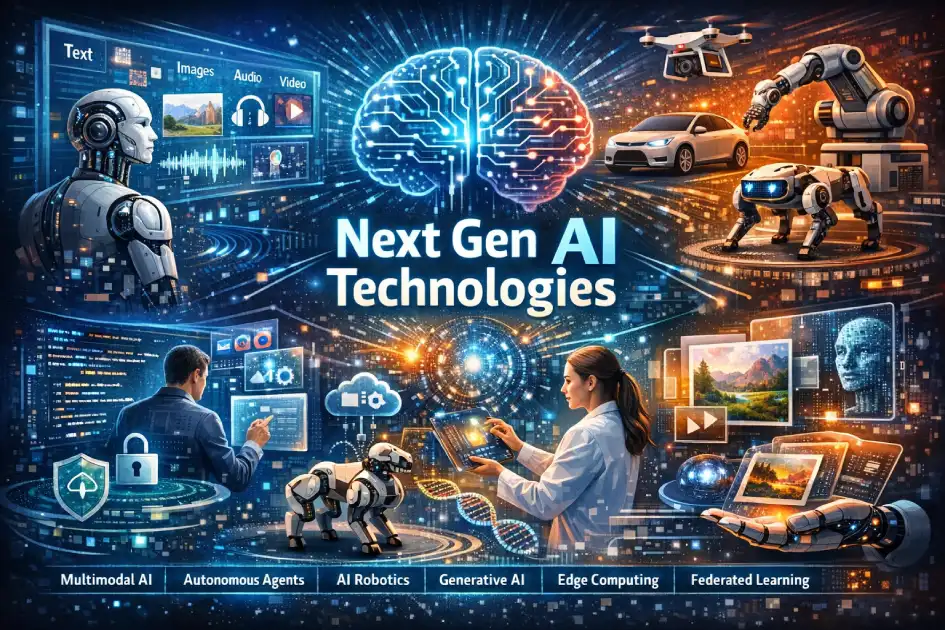
The world of technology is evolving faster than ever, and the latest wave of next-gen tech news shows major shifts in artificial intelligence and digital systems. From smarter AI models to more efficient cloud infrastructure and automated digital ecosystems, these changes are reshaping how businesses, developers, and everyday users interact with technology. Understanding these updates is important because they are directly influencing productivity, security, and the future of digital transformation.
Major Breakthroughs in Artificial Intelligence Systems
Smarter AI Models with Improved Context Understanding
Modern artificial intelligence systems are becoming significantly better at understanding context, intent, and complex instructions. Recent updates in next-gen AI models show improved reasoning capabilities, allowing machines to respond more naturally and accurately. This advancement is reducing errors in communication and making AI tools more useful in real-world applications such as content creation, customer support, and data analysis. As AI continues to evolve, it is becoming less of a tool and more of an intelligent assistant integrated into daily workflows.
Faster Training Through Advanced Computing Architecture
AI development has traditionally required massive computing power and long training times, but new architectural improvements are changing this. Optimized processors, distributed training systems, and energy-efficient chips are reducing the time needed to train large AI models. This shift is accelerating innovation, allowing companies to deploy updates more frequently and experiment with advanced features. The result is a faster development cycle that supports continuous improvements in artificial intelligence systems.
Safer AI Through Enhanced Alignment Techniques
One of the most important updates in AI technology is the focus on safety and alignment. New techniques are being introduced to ensure AI systems follow ethical guidelines and produce reliable outputs. These improvements help reduce harmful or biased responses while increasing trust in AI-driven platforms. As digital systems become more powerful, maintaining responsible AI behavior is becoming a key priority for developers and organizations worldwide.
Evolution of Digital Infrastructure and Cloud Systems
Shift Toward Distributed Cloud Ecosystems
Digital systems are moving away from centralized infrastructure toward distributed cloud ecosystems. This approach allows data and applications to run closer to users, improving speed and reliability. In next-gen tech news, this shift is considered a major milestone because it enhances performance while reducing latency. Businesses benefit from more stable systems, especially when handling large-scale global operations and real-time applications.
Increased Efficiency Through Edge Computing
Edge computing is becoming a core part of modern digital systems. Instead of processing all data in centralized servers, computing tasks are now performed closer to the data source. This reduces delays and improves efficiency in applications like smart devices, autonomous systems, and IoT networks. The growing adoption of edge computing is transforming how digital systems handle speed-sensitive operations.
Stronger Security Layers in Cloud Architecture
With the expansion of cloud-based systems, security has become a top priority. New security frameworks are being integrated into digital infrastructure to protect data from cyber threats. These include multi-layer encryption, real-time threat detection, and automated security updates. As cyberattacks become more sophisticated, these improvements are essential for maintaining trust in digital ecosystems.
Future Trends in AI Integration and Digital Transformation
AI Integration Across Everyday Digital Tools
Artificial intelligence is no longer limited to specialized platforms; it is now being integrated into everyday digital tools. From search engines to productivity apps, AI is enhancing user experience by automating tasks and improving accuracy. This integration is making technology more accessible and efficient for both individuals and businesses, marking a significant shift in digital transformation trends.
Automation of Complex Digital Workflows
One of the most impactful changes in next-gen technology is the automation of complex workflows. AI-powered systems are now capable of handling multi-step processes without human intervention. This reduces operational costs and increases productivity across industries. As automation becomes more advanced, businesses are able to focus more on strategy and innovation rather than repetitive tasks.
Expansion of Intelligent Digital Ecosystems
Digital ecosystems are becoming more interconnected and intelligent. Devices, applications, and platforms are now designed to communicate seamlessly with each other. This creates a unified environment where data flows efficiently across systems. The expansion of intelligent ecosystems is helping organizations build smarter, more adaptive digital infrastructures that respond quickly to user needs.
FAQs
1. What is next-gen tech news in AI?
It refers to the latest updates and innovations in artificial intelligence and digital systems.
2. How is AI changing digital systems?
AI is improving automation, decision-making, and efficiency across digital platforms.
3. What is edge computing in simple terms?
Edge computing processes data closer to the source instead of relying on central servers.
4. Why is AI safety important?
It ensures AI systems behave ethically and produce reliable, unbiased results.
5. How does cloud computing support modern technology?
It provides scalable, flexible, and secure infrastructure for digital applications.
Conclusion
Next-gen tech news shows that artificial intelligence and digital systems are entering a new era of speed, intelligence, and integration. With smarter AI models, advanced cloud infrastructure, and deeper automation, the digital world is becoming more efficient and connected than ever before. These changes are not just technical upgrades—they are shaping the future of how we work, communicate, and interact with technology.
