



Cannabis-infused beverages offer a different format for adults interested in THC-containing products. Instead of traditional edibles such as brownies, chocolates, or gummies, these drinks combine cannabinoids with familiar beverage ingredients and sparkling textures. People researching a 10 mg thc seltzer may encounter questions about THC content, onset time, flavour, ingredients, and product labelling. Understanding these details can help consumers make informed decisions about cannabis beverages and recognise why their effects may differ from those of other edible products.
What Makes Cannabis Seltzers Different from Traditional Edibles?
Cannabis seltzers are beverages infused with tetrahydrocannabinol (THC), the compound responsible for cannabis’s intoxicating effects. They generally combine carbonated water, flavouring ingredients, and a measured quantity of THC.
Traditional cannabis edibles are usually consumed as solid foods. Gummies and chocolates, for example, contain cannabinoids within a food-based formulation. Seltzers provide another consumption format, allowing the cannabinoid content to be listed by beverage serving.
The difference is not limited to texture or flavour. Beverage formulations can use different delivery technologies and ingredient combinations, which may influence how cannabinoids behave within the product. However, consumers should not assume that every cannabis beverage produces faster or more predictable effects than a traditional edible.
Product formulation, individual metabolism, food intake, and THC concentration can all influence the experience.
Understanding the Meaning of THC Content
THC content is one of the first details consumers encounter on cannabis beverage packaging. A product’s stated milligram amount indicates the quantity of THC in the specified serving or container.
For example, a beverage labelled as containing 10 milligrams of THC is describing its stated THC content, not guaranteeing a particular level of intoxication. Two individuals consuming products with identical THC quantities may experience different effects.
Tolerance, previous cannabis exposure, individual biology, and other substances can influence how THC affects a person. Someone unfamiliar with cannabis may respond differently from an experienced consumer.
Packaging should clearly distinguish THC per serving from total THC per container. This distinction becomes especially relevant when a package contains multiple servings.
Consumers should also check whether the stated amount refers specifically to delta-9 THC or another cannabinoid. Different cannabinoids have different properties and should not be treated as interchangeable.
Why Beverage Formulation Deserves Attention
The ingredients used in cannabis beverages influence more than taste. Carbonation, flavouring, sweeteners, acidity, and cannabinoid formulation all contribute to the finished product.
Some manufacturers use emulsification technologies to disperse cannabinoids throughout a liquid. Since cannabinoids such as THC are fat-soluble, formulation techniques can help distribute them in water-based beverages.
Nanoemulsion is one technology used in certain cannabis-infused drinks. It involves dispersing very small droplets of an oil-based ingredient throughout a water-based liquid. Manufacturers may use this process to improve dispersion and product consistency.
However, the presence of nanoemulsion does not establish that a beverage will produce identical effects for every consumer. Claims about faster absorption or predictable onset should be supported by product-specific evidence rather than marketing language alone.
Ingredient transparency allows consumers to understand what they are purchasing, including sweeteners, flavouring agents, preservatives, and cannabinoid sources.
Flavour and Drinking Experience Matter
Cannabis beverages are available in different flavour profiles, including citrus, berry, tropical fruit, and herbal combinations. Some products resemble conventional sparkling water, while others have a more pronounced sweetness or botanical character.
Carbonation can contribute to the drinking experience by adding a crisp texture. Citrus-based flavours may provide a sharper taste, while berry and tropical combinations can offer sweeter profiles.
The flavouring ingredients also help manufacturers develop products that appeal to different beverage preferences. However, taste does not indicate THC strength. A sweeter drink is not necessarily more potent, and a stronger cannabis flavour does not reliably indicate cannabinoid concentration.
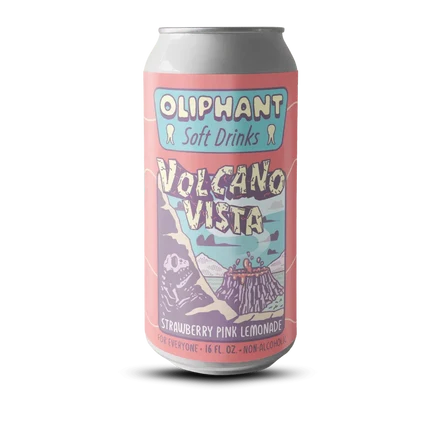
Oliphant Brewing is what consumers may encounter while researching beverage-related products. As with any cannabis-infused beverage brand, individual product labels and available testing information should be reviewed rather than assuming that all products share the same formulation or THC content.
How Long Do Cannabis Beverages Take to Produce Effects?
Cannabis beverages containing THC are generally considered edible cannabis products because the cannabinoids are consumed rather than inhaled.
The onset time can vary considerably. According to the US Centers for Disease Control and Prevention (CDC), edible cannabis products can take approximately 30 minutes to two hours to produce intoxicating effects. Some effects may last longer than expected.
This delayed onset can create problems if someone assumes that the beverage has not worked and consumes additional THC. Taking more before the initial effects become apparent can increase the possibility of an unpleasant or unexpectedly intense experience.
Consumers should follow applicable product instructions and avoid consuming additional THC simply because effects are not immediately noticeable. Alcohol and other intoxicating substances should not be combined with cannabis.
Driving, cycling in traffic, and operating machinery after THC consumption can put the individual and others at risk.
Reading Labels Before Purchasing
Cannabis beverage packaging should provide information that helps consumers understand the product’s contents and applicable restrictions.
Several details deserve attention during product evaluation:
- THC quantity: Check the stated milligrams per serving and per container.
- Cannabinoid profile: Review whether the beverage contains THC alone or additional cannabinoids.
- Ingredient list: Check sweeteners, flavourings, allergens, and other ingredients.
- Testing information: Look for an available certificate of analysis from an independent laboratory.
- Manufacturer details: Identify the producer and verify relevant product information.
- Storage instructions: Follow the manufacturer’s recommendations for preserving product quality.
Laboratory testing may provide information about cannabinoid concentration and certain contaminants. It can also help consumers compare the stated formulation with measured product results.
Packaging and labelling requirements differ by jurisdiction, so buyers should check local regulations and purchase restrictions.
Are THC Seltzers Suitable for Every Consumer?
Cannabis beverages are not suitable for everyone. THC can cause impaired coordination, altered perception, anxiety, confusion, increased heart rate, and other unwanted effects.
People who are pregnant or breastfeeding should avoid cannabis. Individuals taking prescription medication or managing health conditions should consult a qualified healthcare professional about potential risks and interactions.
Cannabis beverages must also be kept away from children and pets. Their familiar appearance can make them particularly easy to mistake for ordinary soft drinks. Secure storage in original packaging helps reduce accidental ingestion.
Legal access varies significantly between locations. Consumers should verify the rules governing cannabis possession, purchase, transportation, and consumption before considering any THC-containing beverage.
Making Informed Choices About Cannabis Beverages
Cannabis-infused seltzers combine beverage formulation with cannabinoid content, creating a product category that requires careful attention to labelling and responsible handling. Flavour, carbonation, THC concentration, ingredient transparency, and independent testing all provide useful information during product evaluation. Contact us today to discuss cannabis beverage information, product details, and available resources for understanding this category. An informed approach starts with verified product information, awareness of individual risks, and compliance with applicable local laws.
