



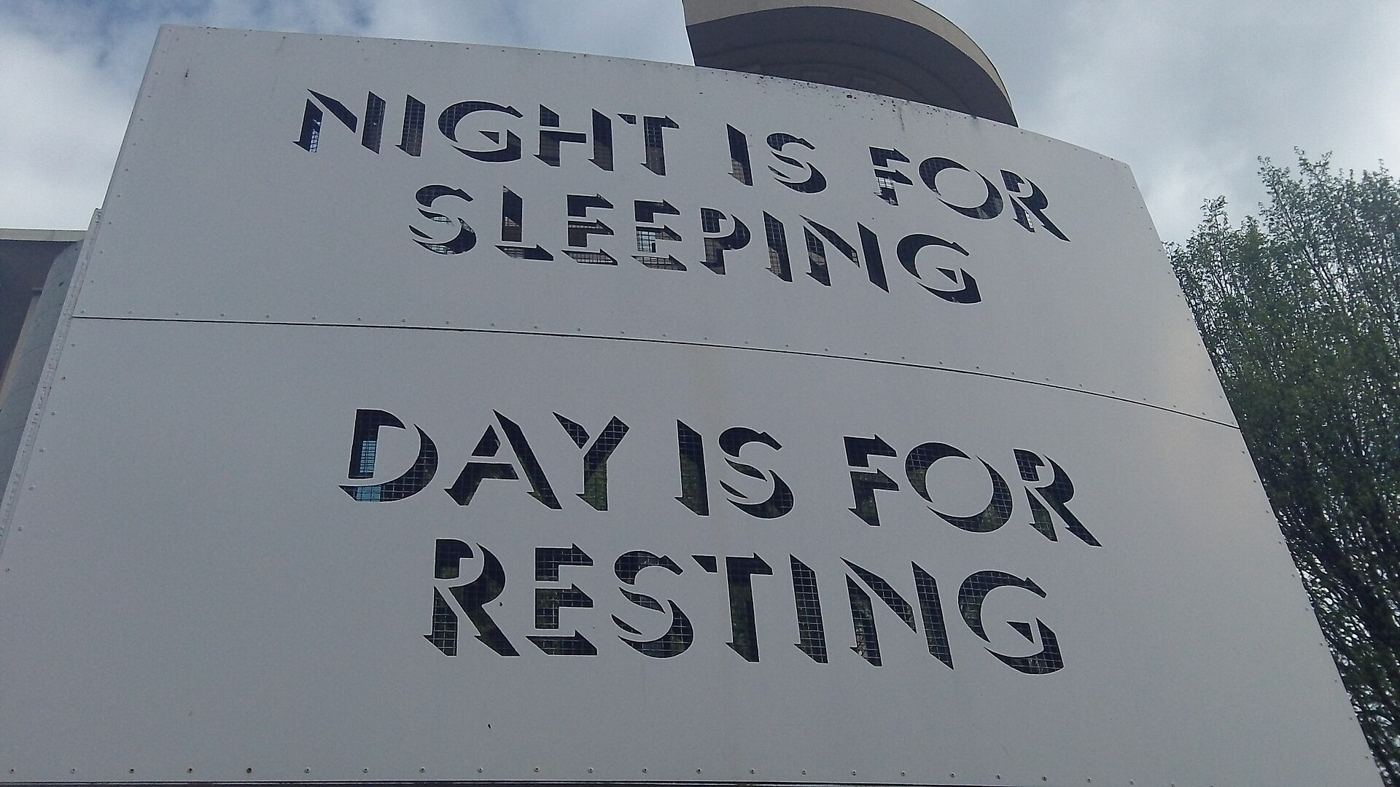
Every workplace measures output. Almost none measure the input that most reliably predicts it: whether the people doing the work actually slept. That is beginning to change, as a steady accumulation of sleep research connects short or fragmented nights to measurably worse memory consolidation, emotional regulation, creative problem-solving and plain accuracy the following day.
The effects are not subtle at the extremes. Studies of sustained sleep restriction find that people who sleep six hours a night for two weeks perform, on standard cognitive tests, about as badly as people who have been awake for a full day or two, while rating themselves as only slightly tired. The gap between how impaired we are and how impaired we feel is precisely what makes sleep loss a workplace hazard rather than a private matter. We track findings like these in our health coverage because they keep surviving replication.
What happens during the night shift inside your head
Sleep is not downtime for the brain. During deep sleep, the day’s learning is consolidated and pruned; during REM sleep, emotional memories are processed and much of their sting removed. Cut the night short and you do not lose these functions evenly. You lose the late-cycle REM-rich hours first, which is why a five-hour night can leave someone technically awake but oddly brittle, forgetful and reactive.
The National Institutes of Health summarises the downstream costs plainly: chronic short sleep is associated with higher risks of cardiovascular disease, diabetes, obesity and depression, alongside the next-day effects on attention and safety. For employers, the arithmetic of presenteeism is brutal; a workforce that is present but cognitively discounted is expensive in ways that rarely appear on a dashboard.
What good sleepers do differently
Researchers are careful to note that the answer is rarely a gadget. Consistent wake times anchor the body clock more powerfully than any supplement, morning light sets the clock’s phase, and the final hour before bed, dim, cool and screen-light, does most of the work that expensive mattresses advertise. Shift workers, for whom the standard advice collides with reality, benefit most from strategic napping and ruthless protection of a single consolidated sleep block.
The through-line is unglamorous: sleep responds to routine, not to purchases.
From perk to policy
The corporate response is moving past the nap-pod photo opportunity. More serious interventions include meeting-free early mornings for teams across time zones, explicit norms against late-night messaging, and workload planning that treats the pre-deadline all-nighter as a management failure rather than a badge of commitment. A few firms now include sleep in leadership training, not as wellness decoration but as decision hygiene.
The cultural shift is incomplete, and the language of hustle dies hard. But the data has a way of winning arguments eventually. Sleep is becoming what it always was: the foundation the working day is built on, finally being measured like one.
