



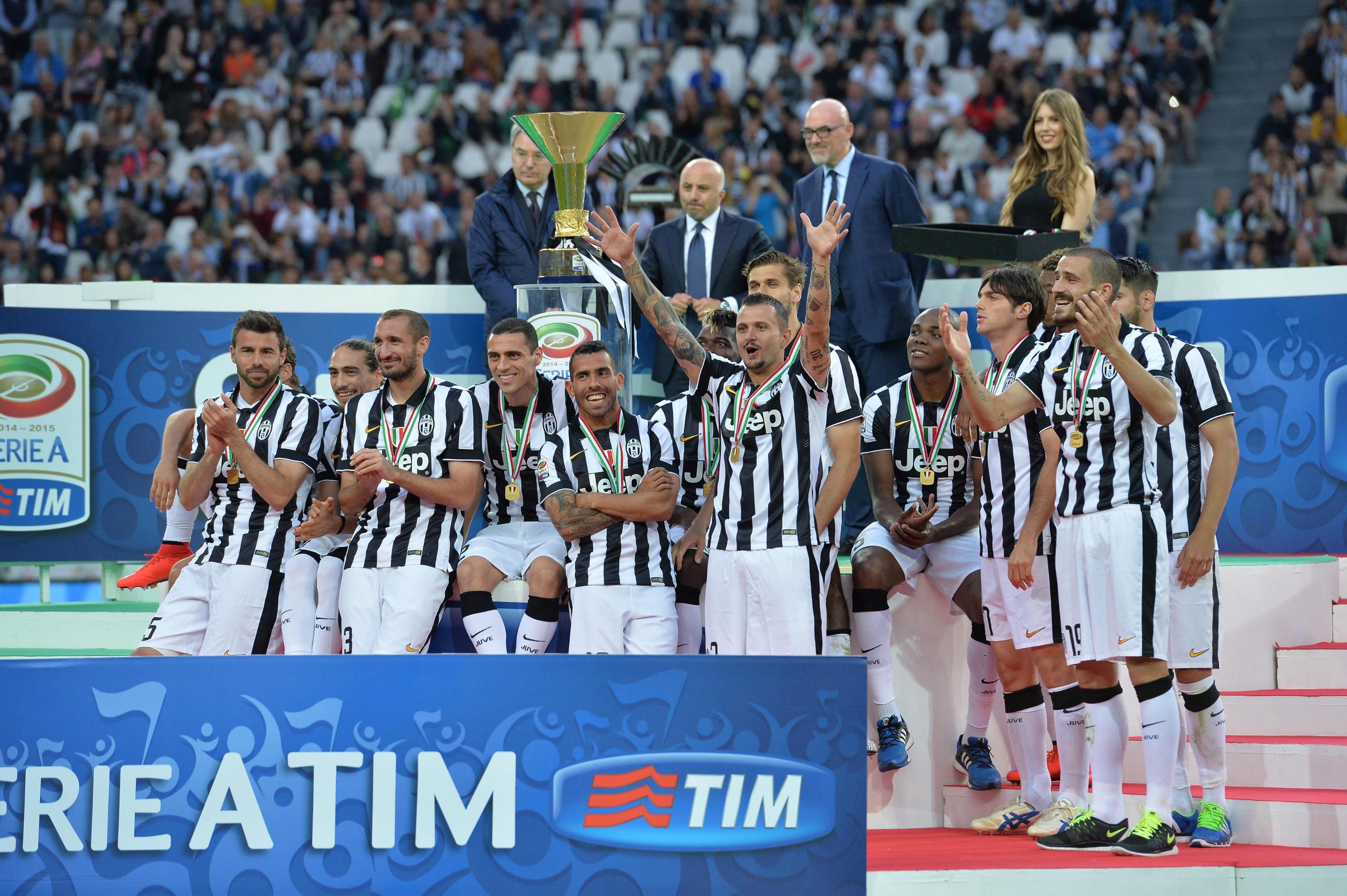
The 2014/2015 Italian Serie A season remains a fascinating case study for football tacticians and statistical analysts alike. While Juventus comfortably secured the Scudetto, the broader landscape of the league was defined by a dense middle class of clubs characterized by cautious defensive structures and highly rigid tactical systems. This structural parity created specific recurring conditions where the probability of a drawn match increased dramatically. By evaluating the defensive matrices, goal-scoring inefficiencies, and situational motivations of specific teams during this campaign, we can uncover the underlying mechanics that turned predictable matchups into inevitable stalemates.
The Tactical Blueprint of the 2014/15 Serie A Mid-Table
The prevailing tactical philosophy among Italian mid-table clubs during the 2014/2015 campaign heavily prioritized defensive consolidation over progressive attacking transitions. Teams like Chievo Verona, Atalanta, and Empoli frequently deployed low defensive blocks, compressing the space between the midfield and defensive lines to frustrate superior opposition. This systemic aversion to risk meant that when two defensively sound, structurally conservative mid-table sides faced each other, the creative output dropped significantly. The resulting matches were often characterized by heavy midfield congestion, a low number of shots on target, and a mutual reliance on set-pieces to break the deadlock, which naturally escalated the likelihood of a tie.
Statistical Indicators That Signaled Impending Stalemates
Identifying high-probability draws during this specific Serie A era requires a deep dive into underlying performance metrics rather than simple historical head-to-head records. Analysts focus primarily on expected goals (xG) metrics, shot conversion rates, and defensive pressure zones to isolate teams that lacked the cutting edge to convert possession into goals. When two teams displaying low xG generation but high defensive efficiency metrics clashed, the match profile heavily favored a shared point.
The table below illustrates the statistical profiles of four prominent clubs during the 2014/2015 season that frequently exhibited the metrics highly correlated with low-scoring drawn outcomes.
| Club | Average Goals Scored Per Match | Average Goals Conceded Per Match | Total Draws in 2014/15 Season | Clean Sheet Percentage |
| Empoli | 1.21 | 1.37 | 15 | 23.7% |
| Chievo Verona | 0.74 | 1.08 | 13 | 31.6% |
| Atalanta | 1.00 | 1.45 | 14 | 26.3% |
| Sampdoria | 1.26 | 1.11 | 14 | 28.9% |
The data points to a clear structural trend across the league where teams maintained a tight equilibrium between their offensive output and defensive vulnerabilities. Empoli, for instance, finished the season with a staggering 15 draws, driven by a possession-heavy style under Maurizio Sarri that often lacked a clinical finisher in the final third. Chievo Verona exhibited an even more extreme profile, averaging well under a goal per game while maintaining a remarkably high clean sheet percentage for a lower-table side. When these statistical profiles crossed paths, the lack of attacking variance almost guaranteed that neither side could pull away, making the draw the most logical mathematical outcome.
The Role of Team Motivation and Situational Context
Football is not played in a vacuum, and seasonal context frequently dictates how managers approach specific fixtures. As the 2014/2015 season progressed into the spring months, the psychological weight of the relegation battle altered tactical risk assessment. For teams hovering just above the drop zone, securing a single point against a direct competitor was viewed as a highly positive outcome, whereas risking a defeat by committing bodies forward in search of a win was seen as catastrophic. This conservative risk management resulted in numerous matches where both managers actively managed the game to preserve a draw, substituting attacking players for defensive midfielders in the final thirty minutes of play.
How Market Odds Failed to Capture Systemic Parity
The financial markets surrounding Italian football often struggled to accurately price the sheer volume of draws generated during this particular campaign. Oddsmakers frequently relied on historical scoring averages and public betting sentiment, which tended to overestimate the likelihood of a decisive winner in matches involving mid-table sides. Smart analysts realized that the structural setup of certain teams made a stalemated outcome far more probable than the implied probabilities suggested by the market. When evaluating fixtures through a dedicated sports betting service like ufabet net เข้าสู่ระบบ, individuals who recognized these localized tactical deadlocks could find significant value, as the market consistently underpriced the draw option due to a general public bias toward backing a winning side.
The Impact of Low-Sustained Attacking Tempos
Italian football during this period was played at a noticeably slower tempo compared to the English Premier League or the German Bundesliga. Teams meticulously built up play from the back, prioritizing ball retention and defensive shape over rapid counter-attacking transitions. This deliberate pacing reduced the total number of possessions each team had per 90 minutes, lowering the overall variance of the match. With fewer attacking transitions occurring, the probability of defensive errors decreased, which in turn kept the scoreline low and increased the mathematical probability of the match ending in a 0-0 or 1-1 tie.
Comparative Dynamics: Home Advantage vs. Defensive Resilience
The Diminishing Effect of Home Advantage
Traditionally, playing at home grants a significant statistical edge, but the 2014/2015 Serie A season challenged this convention for lower-tier clubs. When a defensive side played at home, the onus was on them to attack, which often exposed their lack of creative quality and left them vulnerable. Visitors would gladly accept a deep-lying defensive role, neutralising the home side’s territorial advantage and forcing a low-tempo stalemate.
Systemic Counter-Attacking Cancellations
Another common mechanism occurred when two teams utilizing identical counter-attacking systems faced off. Because neither side wanted to dictate play or control high percentages of possession, the match devolved into a chess match where both teams waited for the other to break shape. Since neither group committed players forward, the transition spaces remained closed, effectively neutralizing both offenses.
When the Draw Strategy Collapses: Unpredictable Catalysts
While predicting a draw based on tactical and statistical alignment is highly effective, specific match variables can completely destroy the structural conditions required for a tie. The early dismissal of a player via a red card completely alters the tactical landscape, forcing a defensive side to drop even deeper or allowing an opponent to exploit sudden numerical overloads. Similarly, an early goal scored within the first fifteen minutes due to an individual defensive error completely breaks the conservative game plan, forcing the trailing team to abandon their low block and pursue an equalizer, which opens up the pitch and drives up the total goals expected.
Incorporating External Factors into Modern Predictive Models
Analyzing historical data from past eras provides a foundational framework for evaluating modern football matches across global leagues. Enthusiasts who analyze historical European football often apply these identical frameworks to modern virtual environments and contemporary match settings. For those exploring strategic choices on a premier casino online website, understanding how defensive structures, motivation, and historical trends correlate with low-scoring outcomes remains highly useful. Evaluating these structural deadlocks allows analytical minds to look past basic team reputations and focus entirely on how style matchups inevitably dictate the final score.
Summary
The abundance of drawn matches in the 2014/2015 Serie A season was a direct consequence of a specific tactical ecosystem focused on defensive preservation and risk mitigation. When mid-table teams with low expected goals (xG) metrics met under late-season situational pressures, the structural conditions heavily favored a tied result. While external anomalies like red cards or early goals could disrupt these deadlocks, analyzing the underlying data, tactical shapes, and market inefficiencies of this classic season provides an enduring blueprint for identifying high-probability draws in professional football.
