



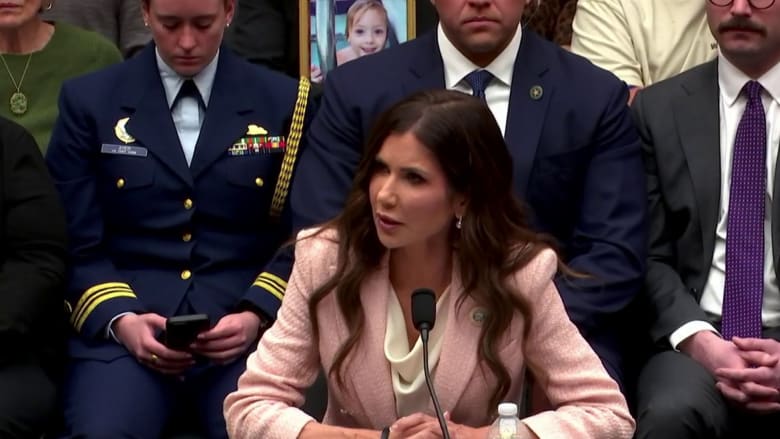
The latest national security decision announced by the government has triggered intense political debate across the country. Political leaders from different parties are openly criticizing and defending the policy, creating a sharp divide in public opinion. Supporters argue that the decision is necessary to strengthen national security and protect national interests, while opponents believe it could impact civil rights, government transparency, and diplomatic relations. As discussions continue in parliament and across media platforms, the issue has become one of the most talked-about political developments in recent weeks. This growing political conflict highlights the importance of balancing security measures with democratic values and public trust.
Government Defends the National Security Policy
Officials Say the Decision Is Necessary for Public Safety
Government leaders have strongly defended the new national security decision by claiming it is essential for protecting the country from emerging threats. According to officials, modern security challenges require faster responses, stronger intelligence systems, and stricter protective measures. They argue that the policy will improve coordination among security agencies and help prevent future risks. Supporters within the ruling party believe the move demonstrates strong leadership during uncertain global conditions and reflects a proactive approach toward national defense.
Security Experts Support Stronger Protection Measures
Several security analysts and policy experts have also expressed support for the government’s strategy. They believe national security threats have become more advanced due to cybercrime, terrorism concerns, and international instability. Experts say stronger regulations and improved monitoring systems could help authorities respond more effectively to emergencies. Many supporters argue that citizens expect the government to prioritize safety and maintain order, especially during periods of political and economic uncertainty.
Ruling Party Calls Criticism Politically Motivated
Members of the ruling party have accused opposition leaders of using the issue for political advantage rather than focusing on public safety. They claim critics are exaggerating concerns to gain media attention and influence voters ahead of upcoming political events. Government representatives insist the decision was carefully reviewed before implementation and follows legal procedures. They also stress that national security should remain above political rivalry and encourage all political groups to support measures designed to protect the country.
Opposition Leaders Raise Serious Concerns
Critics Warn About Civil Liberty Risks
Opposition parties have raised concerns that the new national security decision could limit personal freedoms and increase government control. Critics argue that expanded surveillance powers and stricter regulations may affect privacy rights and freedom of expression. Human rights organizations have also joined the debate, warning that certain provisions could be misused if proper oversight is not maintained. Opposition leaders believe public safety is important, but they insist democratic rights must remain protected at all times.
Questions Emerge Over Government Transparency
Another major criticism focuses on the lack of transparency surrounding the policy announcement. Opposition politicians claim the government failed to provide enough details before introducing the decision. They argue that important national security policies should involve public discussion and parliamentary review. Some lawmakers have demanded independent investigations and additional debates to ensure accountability. This criticism has increased pressure on government officials to explain the long-term effects of the decision more clearly.
Political Divide Intensifies Across the Country
The disagreement over the national security policy has deepened political divisions nationwide. Supporters and critics continue debating the issue on television, social media, and public forums. Political analysts believe the conflict could influence future elections and shape public trust in leadership. As the debate grows, many citizens are closely watching how political leaders handle concerns related to security, rights, and governance. The issue has quickly become a defining political topic with strong emotional reactions from both sides.
Impact of the Decision on National Politics
Public Opinion Remains Deeply Divided
Public response to the national security decision has been mixed, reflecting broader political divisions within society. Some citizens believe stronger security policies are necessary to maintain stability and protect the country from threats. Others fear the decision could lead to unnecessary restrictions and reduced government accountability. Opinion polls and public discussions show that many people remain uncertain about the long-term impact of the policy, making it a major topic of national conversation.
International Reactions Add More Pressure
International observers and foreign governments are also paying attention to the political conflict surrounding the decision. Some global organizations have encouraged transparency and respect for democratic principles while addressing security concerns. Diplomatic experts believe international reactions may influence how the government communicates future policy updates. The situation has attracted international media coverage, placing additional pressure on political leaders to manage the issue carefully and responsibly.
Future Political Debates Are Expected to Continue
Political experts predict that the controversy surrounding the national security decision will continue for months. Lawmakers from both sides are expected to introduce new proposals, hold debates, and challenge each other publicly. Analysts believe the issue may shape future political campaigns and influence voter priorities. As discussions continue, the government will likely face increasing demands for clarity, accountability, and public engagement regarding national security policies.
FAQs
1. Why are political leaders clashing over the new national security decision?
Political leaders disagree over whether the policy strengthens public safety or threatens civil liberties and transparency.
2. What is the main goal of the national security policy?
The policy aims to improve national protection against security threats and strengthen government response systems.
3. Why are opposition parties criticizing the decision?
Opposition leaders believe the policy may affect privacy rights and lacks proper public discussion.
4. How has the public reacted to the controversy?
Public opinion is divided, with some supporting stronger security measures and others expressing concern about personal freedoms.
5. Could the issue affect future politics?
Yes, analysts believe the debate may influence elections, political campaigns, and public trust in leadership.
Conclusion
The clash between political leaders over the new national security decision highlights the ongoing challenge of balancing public safety with democratic values. While government officials argue the policy is necessary to address modern security threats, critics continue raising concerns about transparency, civil liberties, and accountability. As political debates intensify and public attention grows, the issue is expected to remain a major topic in national politics. The outcome of these discussions could shape future security policies and influence the country’s political landscape for years to come.
