



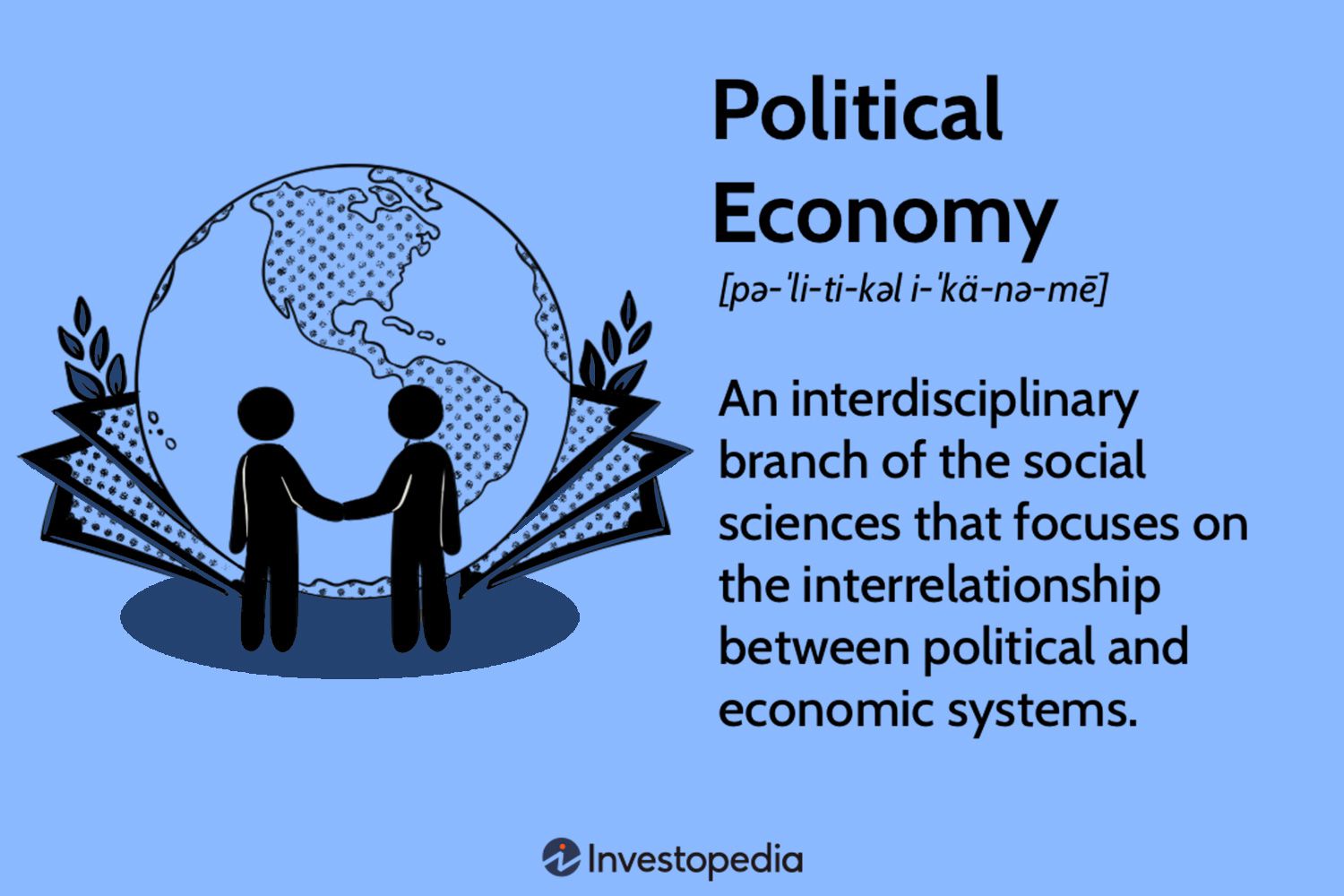
Political instability often creates uncertainty across a country, affecting businesses, investors, workers, and ordinary citizens. The latest political crisis has once again raised concerns about economic growth, inflation, public confidence, and long-term national stability. When governments face internal conflict, leadership struggles, or policy uncertainty, the economy usually reacts quickly through market volatility, reduced investment, and slower development. At the same time, citizens experience rising living costs, employment pressure, and uncertainty about the future. Understanding how a political crisis impacts both the economy and daily life is important for businesses, policymakers, and the public alike.
Economic Uncertainty During a Political Crisis
Market Instability and Investor Confidence
One of the first effects of a political crisis is instability in financial markets. Investors generally prefer stable political conditions because they create confidence for long-term business decisions. When uncertainty increases, stock markets may decline, currency values can weaken, and foreign investors may delay or cancel investment plans. This creates pressure on economic growth and can reduce business expansion opportunities. Economic uncertainty also affects consumer spending because people become more cautious about future financial conditions.
Rising Inflation and Cost of Living
Political crises often contribute to inflation and rising living costs. When government policies become uncertain or delayed, supply chains and economic management may suffer. Currency depreciation can increase the cost of imported goods such as fuel, food, and technology products. As prices rise, ordinary citizens face financial stress, especially middle-income and low-income families. Inflation during political instability can reduce purchasing power and make daily necessities more expensive for households across the country.
Impact on Local Businesses and Employment
Small businesses and local industries are usually among the most affected sectors during political instability. Reduced investor confidence and weaker consumer spending can slow business activity and decrease profits. Companies may pause hiring plans, reduce operational costs, or delay expansion projects. In some cases, businesses may even shut down temporarily due to uncertainty. This creates employment challenges, especially for young workers and freelancers who depend on stable economic conditions for income opportunities.
How Citizens Are Affected by Political Instability
Public Anxiety and Social Uncertainty
Political crises can create emotional stress and uncertainty among citizens. People may become concerned about national security, economic conditions, and the future of public services. Constant political conflict in the media can increase fear and confusion, especially when leadership decisions remain unclear. Social uncertainty can also affect mental well-being as citizens worry about financial security, education, healthcare, and long-term opportunities for their families.
Pressure on Essential Public Services
During periods of political instability, governments may struggle to maintain efficient public services. Budget approvals, infrastructure projects, and welfare programs can face delays due to political disagreements. This can impact healthcare systems, education services, transportation development, and public sector operations. Citizens often experience slower administrative processes and reduced confidence in government institutions when essential services become less effective during a crisis.
Changes in Consumer Spending Habits
Economic and political uncertainty often changes the way people spend money. Citizens may reduce unnecessary expenses and focus more on essential goods and savings. Luxury purchases, travel plans, and entertainment spending typically decline during unstable periods. This cautious financial behavior can further slow economic activity because businesses depend heavily on consumer demand. Over time, reduced spending can affect industries such as retail, tourism, hospitality, and real estate.
Long-Term Economic and Political Consequences
Slower Economic Growth and Development
A prolonged political crisis can slow national economic growth significantly. Delayed reforms, reduced foreign investment, and unstable policies may discourage long-term development projects. Governments facing political conflict often struggle to focus on economic planning and infrastructure expansion. This can reduce business confidence and limit innovation across industries. Slower growth may also affect job creation and future investment opportunities for the younger population.
International Reputation and Global Relations
Political instability can influence how other countries and international organizations view a nation. Investors, trade partners, and financial institutions usually monitor political conditions before making economic decisions. A country experiencing repeated political crises may face challenges in attracting international business partnerships and development support. Global confidence plays a major role in tourism, exports, and foreign direct investment, making political stability important for international economic competitiveness.
The Need for Policy Stability and Public Trust
Recovering from a political crisis requires strong leadership, policy stability, and public trust. Governments need clear economic strategies to restore investor confidence and reassure citizens about future stability. Transparent communication and responsible governance are essential during uncertain times. When citizens trust public institutions and economic policies, recovery becomes more achievable. Long-term stability depends not only on political solutions but also on rebuilding economic confidence among businesses and the public.
FAQs
1. How does a political crisis affect the economy?
A political crisis can reduce investor confidence, slow economic growth, and increase inflation and market instability.
2. Why do prices increase during political instability?
Currency weakness, policy uncertainty, and supply disruptions often lead to higher prices for goods and services.
3. Can political instability affect jobs?
Yes, businesses may reduce hiring or delay expansion plans during uncertain political conditions.
4. How are citizens impacted during a political crisis?
Citizens may face rising living costs, social uncertainty, and pressure on public services.
5. Why is political stability important for economic growth?
Stable political conditions encourage investment, business confidence, and long-term national development.
Conclusion
The latest political crisis highlights the strong connection between political stability, economic performance, and the well-being of citizens. Uncertainty in leadership and policy decisions can create financial pressure for businesses, investors, and households alike. From inflation and slower economic growth to public anxiety and reduced consumer confidence, the effects of political instability can spread across every part of society. Long-term recovery depends on stable governance, transparent policies, and restoring public trust to create a stronger and more secure economic future for everyone.
